The merchandising velocity problem

Here’s the dirty secret of dealership merchandising: the best vehicle on the lot doesn’t matter if its photos look like they were taken on a phone in a parking lot.

Because that’s exactly what’s happening on most dealership websites right now.

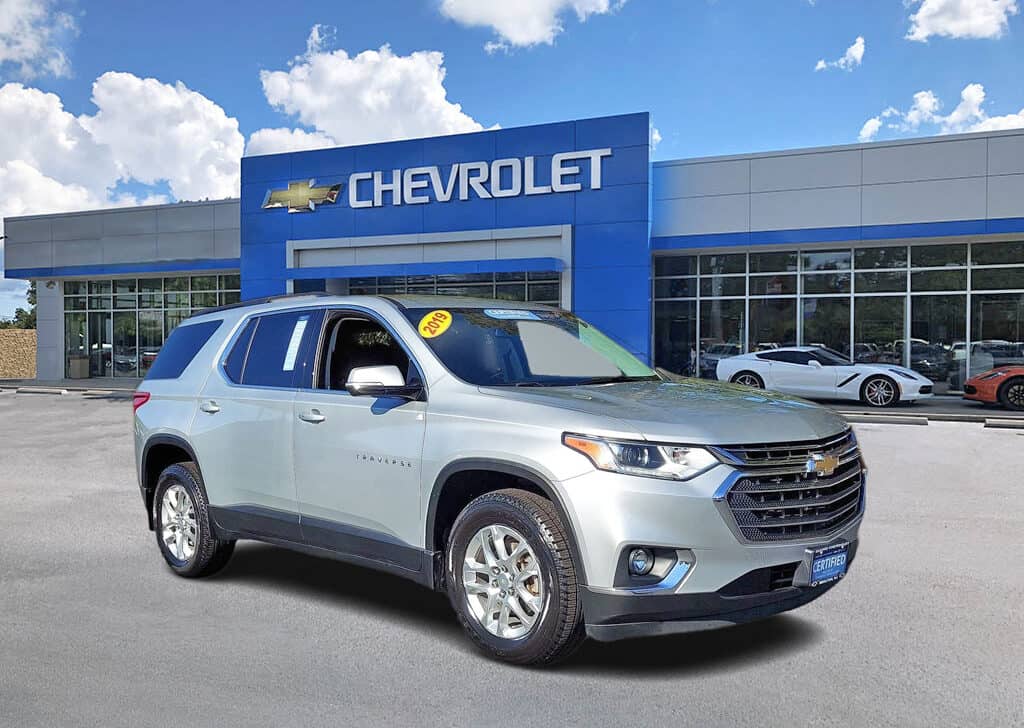
Stock images on used inventory. Inconsistent backgrounds. License plates exposed. Lighting that flatters nothing. And worst of all — a multi-day lag between a vehicle hitting the lot and its photos hitting the VDP. Every hour that vehicle sits without professional imagery is an hour of lost shopper attention.

This isn’t a photography problem. It’s a velocity problem. And the dealerships solving it are pulling ahead.

What is car photo background removal?

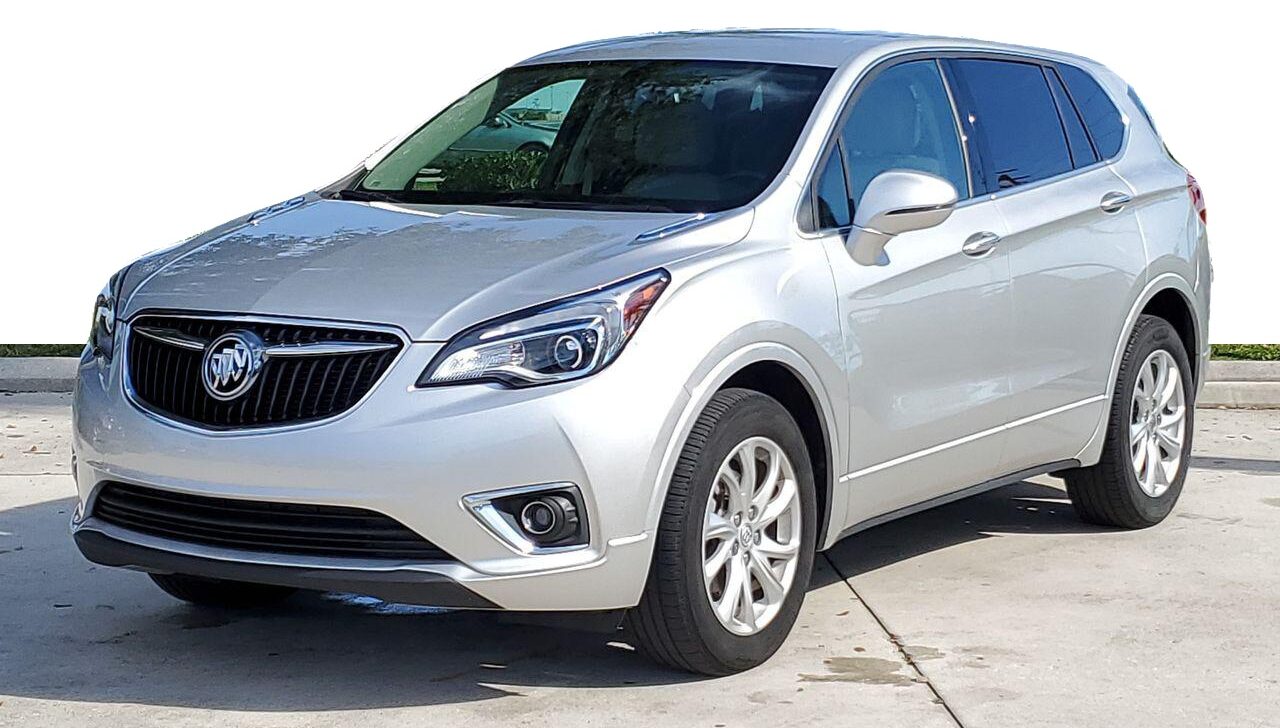
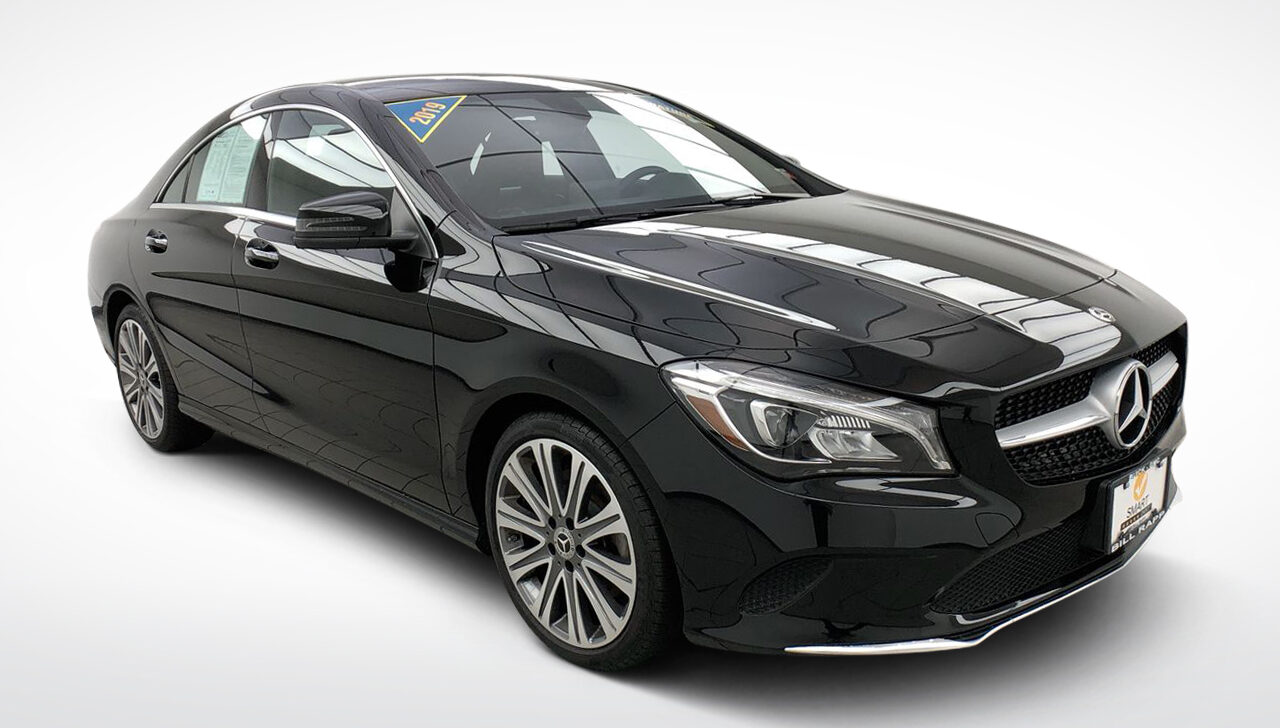
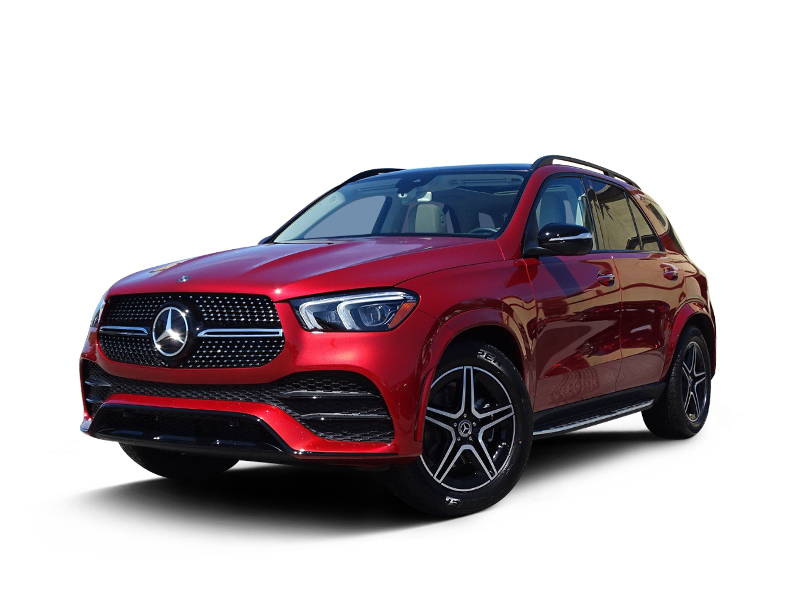
Car photo background removal is automated image enhancement technology that uses computer vision to detect the vehicle in a photo, separate it from its background, and replace that background with a clean, branded, or studio-quality alternative — instantly, at the moment of upload, with no manual editing required.

Unlike traditional photo editing services that send images out to a vendor for processing, AI-powered background removal happens in real time. Snap the photo, upload it, and the enhanced version is live on the VDP and syndicated to third-party marketplaces — without anyone opening Photoshop.

For dealerships, that shifts merchandising from a multi-day production process into a same-hour operation.

Why VDP imagery quality moves the needle

The data on VDP imagery is unambiguous.

According to ACV Auctions, 74% of shoppers compare vehicles online only before ever stepping foot on a lot. That means the VDP isn’t a supporting actor in the buying process — it’s the showroom. And the showroom is judged on what the shopper sees first: the photos.

Healthy VDP-to-lead conversion benchmarks sit between 2% and 4%. Translate that to the volume at most dealerships: thousands of VDPs, each one a potential conversion surface, each one only as effective as the images on it.

The difference between a stock image and a clean, consistent, professional VDP photo set is the difference between a shopper bouncing and a shopper booking a test drive. Dealers ignoring this are leaving conversions on the table every single day inventory sits with subpar imagery.ram will automatically remove and replace car photo backgrounds, requiring no further effort on your part. 
Manual vs. AI photo processing: a velocity comparison

This is where the velocity story gets sharp. Traditional photo workflows vs. AI-powered enhancement break down like this:

StepTraditional workflowAI Image Enhancement
Photo capturePhotographer on-site or staff member with phoneSame — staff capture on any device
EditingSent to in-house team or third-party vendorAutomated at moment of upload
Background removalManual Photoshop work, per imageComputer vision, instant
OEM compliance checkManual review against brand standardsBuilt into the AI ruleset
License-plate blurringManual edit, per photoAutomatic
Upload to VDPAfter editing completeLive as soon as enhancement runs
Syndication to marketplacesRe-uploaded to each platformAuto-synced via direct integration
Time from photo to live VDPHours to days, depending on vendor queueMinutes

The competitive edge isn’t in any single step. It’s in the compression of the whole sequence. A vehicle that hits the lot Monday morning can be fully merchandised — VDP live, third-party listings updated, OEM-compliant — by Monday afternoon.

For a competitor still running the traditional workflow, that same vehicle is still sitting in a vendor queue on Wednesday.

Keeping vehicles “grounded”: the shadow realism factor

There’s a tell that gives away cheap automated photo editing: vehicles that look like they’re floating.

Background removal done poorly strips out the natural shadows under and around the vehicle, leaving an image that’s clean but uncanny. Shoppers might not consciously identify what’s wrong, but they feel it. The photo looks fake. Trust drops. They click away.

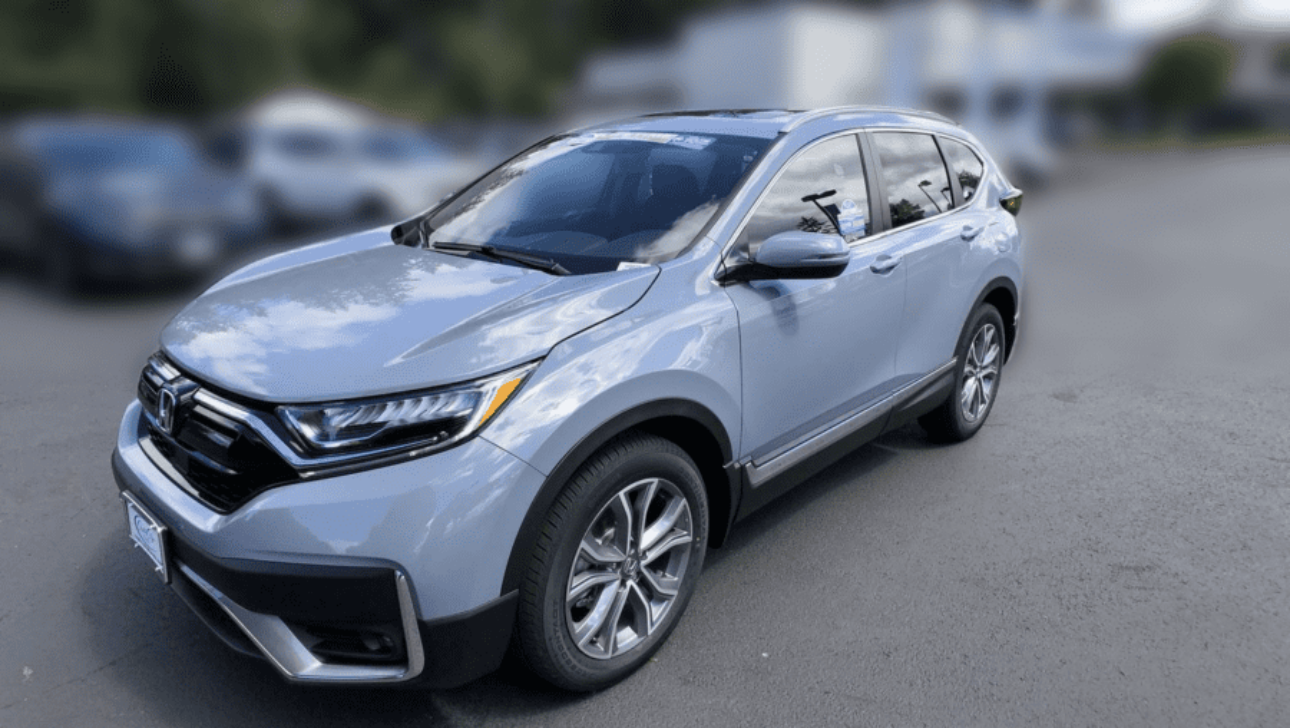
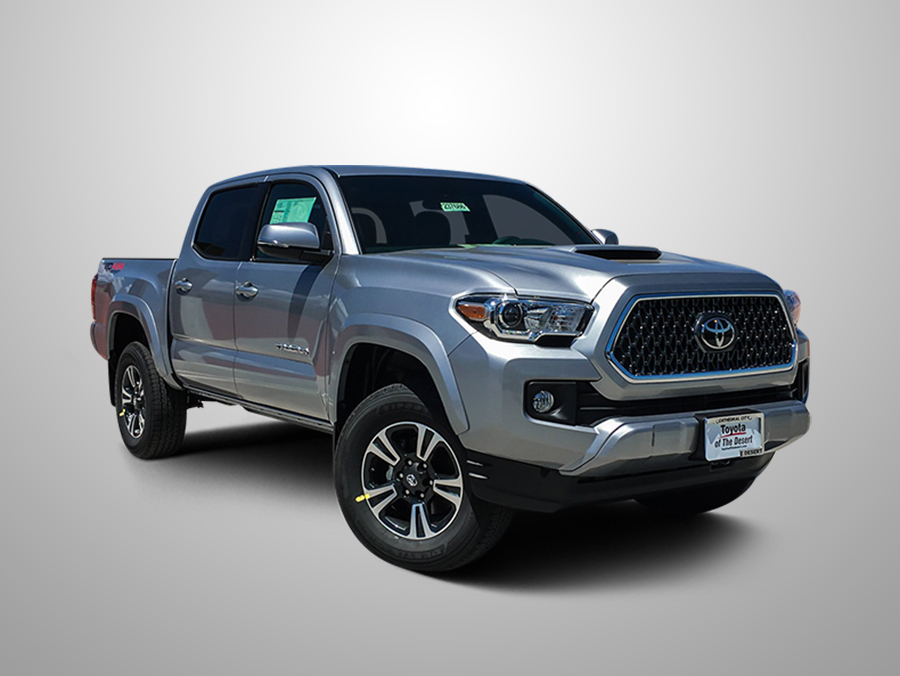
Good AI image enhancement preserves what shoppers expect to see: adaptive shadows that anchor the vehicle to the ground, realistic 3D background environments that match the camera perspective, and consistent lighting that makes the car look like it actually exists in three-dimensional space.

The goal isn’t to make the photo look edited. It’s to make it look like the vehicle was shot in a professional studio that the dealership doesn’t have to build.

Marketplace syndication: where the photos actually live

A dealership website isn’t the only place these photos need to perform. Most shoppers spend significant time on third-party marketplaces — and inconsistent imagery across those platforms tanks brand credibility.

Impel’s AI Image Enhancement integrates directly with CarGurus, Cars.com, Edmunds, and Autotrader, automatically syndicating enhanced SRP images and interactive 360° walkarounds across all four platforms. The shopper sees the same dealer-branded, OEM-compliant, professionally enhanced photos whether they’re on the dealership site, a marketplace listing, or a paid retargeting ad.

That consistency is a competitive moat. Dealerships that can deliver a unified, premium visual experience across every channel win against competitors whose marketplace photos look nothing like their website photos.

Who this is for, what it solves, what you get

Who it’s for

Dealerships and dealer groups that move significant inventory volume and can’t afford to have vehicles sit unmerchandised. OEM-affiliated stores held to brand imaging standards. Used-vehicle operators who know image quality is their biggest competitive lever online.

What it solves

  • Merchandising lag — vehicles live on the VDP within hours of arrival, not days
  • Inconsistent imagery — every photo, every channel, the same professional standard
  • OEM compliance burden — brand standards enforced automatically
  • Photo production cost — no studio, no third-party editor, no Photoshop seats
  • Marketplace fragmentation — one upload, consistent across CarGurus, Cars.com, Edmunds, Autotrader

What you get

  • Faster time from vehicle arrival to live VDP
  • Higher VDP engagement driven by custom, professional imagery
  • Brand consistency across owned and third-party channels
  • Operational capacity recovered from manual photo workflows
  • A merchandising standard that holds up against any competitor in the market

Ready to compress your merchandising timeline?

Impel’s AI Image Enhancement is part of Merchandising AI — the visual merchandising layer of the only enterprise-grade AI Operating System purpose-built for automotive retail.

Schedule a Consultation

_____________________________

Frequently asked questions

What is car photo background removal? Car photo background removal is automated image enhancement technology that uses computer vision to detect a vehicle in a photo, isolate it from its background, and replace the background with a clean, branded, or studio-quality alternative — without manual editing. Impel’s AI Image Enhancement (part of Merchandising AI) handles this instantly at the moment of upload.

Does AI image enhancement work with OEM brand standards? Yes. Impel’s AI Image Enhancement is engineered to ensure compliance with OEM-mandated imaging requirements, automating standards enforcement that would otherwise require manual review.

Will it remove license plates? Yes. License-plate blurring is built in, along with dealer-branded backgrounds and plate overlay options.

How does it sync to third-party marketplaces? Through direct integrations with CarGurus, Cars.com, Edmunds, and Autotrader. Enhanced SRP images and 360° walkarounds are automatically syndicated to all four platforms — no manual re-upload required.

Do I need a physical photo booth or special hardware? No. Impel’s Virtual Booth and AI Image Enhancement deliver studio-quality results without dedicated space, capital investment, or additional hardware. Staff can capture photos on any device, and the AI handles the enhancement automatically.

How does this connect to VDP conversion? Custom, high-quality vehicle photos drive higher shopper engagement and time-on-page — both leading indicators of lead conversion. Faster, more consistent imagery means more shopper engagement and more leads per VDP. For more on how AI is reshaping dealership operations, see our guide to the future of AI in automotive.